Substrate and Terrarium Decor
Substrate is generally the term used to describe the flooring used in the enclosure. You don’t want your bearded dragon to be walking, laying, and possibly napping on a bare glass floor, so a substrate is needed to make the home a bit more comfortable.
There are many different types of substrate you can use, but some are a better choice than others. Let’s go over a few types of substrate to help you decide which one best fits your needs.
Calcium Sands and Playground Sands
One of the most popular substrates used for bearded dragons is calcium-based sands and playground sand. Using these sands gives the terrarium a real desert look, and is typically easy to maintain.
Calcium-based sand is produced by most of the big name reptile supply manufacturers, and can come in many different colors. They are made from a calcium substance and is very similar to the look and feel of real sand. This substrate helps to promote the natural digging instincts of bearded dragons and helps to retain some heat within the enclosure.
Playground sand is also another option as it is fairly inexpensive and easy to acquire. It can be found at most home improvement stores, or some pet stores. If playground sand is used, it should be baked in the oven at 350°F for about 15 minutes to kill off any potential bad germs or bacteria - just to be on the safe side. You don’t want to introduce any bad critters into your beardie’s home.
If this substrate is used it should be replaced once a month with spot cleaning performed as any messes arise.
There is a huge drawback to using these substrates - they can lead to impaction issues, especially in baby and juvenile bearded dragons. The small particles of the substrate can be easily swallowed by the bearded dragon while snatching up insects. Over time the grains of the substrate can build up in the digestive system causing a blockage, this is called impaction. Impaction will most certainly lead to death if left untreated. The bad thing is you don’t usually know your bearded dragon is suffering from impaction until it’s too late.
You can use a separate empty enclosure used just for feeding and to temporarily house your bearded dragon while cleaning the permanent home. At feeding time, take your bearded dragon out of the terrarium and place him in the empty terrarium. Have food items ready to offer and feed him away from the loose substrate. Once he is finished eating, place him back in the permanent terrarium.
This can drastically cut down on the dangers of impaction, but any time the bearded dragon is in contact with loose particle substrates the impaction chances are present.
Reptile Cage Carpet
Reptile Cage Carpet is a plastic carpet specifically designed for use in reptile terrariums. It resembles the green or brown indoor/outdoor carpet used to resemble grass.
This is a low-cost/ low-maintenance option that works really well. It is very easy to clean, easy to replace, and fairly inexpensive. It may not be the most attractive substrate option, but it is one of the safest. There is very little risk of impaction by using this substrate as there are no small loose particles the bearded dragon could swallow.
Reptile cage carpet is easy to remove and clean. The carpet should be removed and cleaned with warm water and a very mild soap at least once a week. Make sure to rinse the carpet thoroughly and allowed to dry completely before adding back to the terrarium. Spot clean any messes as soon as they are discovered. You should replace the carpet at least once every 3 months or as needed.
Do NOT use indoor/outdoor carpet! Instead opt for the cage carpet/ terrarium liner made specifically for reptiles. Indoor/outdoor carpet is generally made with woven pieces of material that can cause the bearded dragon to get tangled into. This can result in painful injuries to the feet and toes.
Newspaper
Newspaper is another viable option for substrate. Newspaper is often readily available in the home, and makes for a simple solution. Just place three or four layers of newspaper, covering the entire floor area.
If newspaper is used, it should be replaced at least every other day. Clean up any messes as soon as they are discovered.
Newspaper is certainly not attractive, but is a very economical choice.
Basking Perches
Your bearded dragon will definitely need a sturdy basking perch. They love to have something to climb up on while basking.
One of the most common basking perches used is simply a piece of driftwood, or branch of some kind. Driftwood pieces can be easily found at most pet stores and is fairly inexpensive.
Large rocks and stones are another great looking and functional basking perch. These can also be easily found in pet stores, or some garden centers. What ever you decide to use make sure you sterilize it before adding to the terrarium. You can place rocks and stones in the oven at 350°F for about 15 minutes. Wood items can be placed in a large pot of water and boiled to remove any harmful bacteria.
Also, make sure the basking perch is large enough for your bearded dragon to lay on comfortably. Place the basking perch in a way to prevent it from accidentally falling over. You don’t want it to topple over causing a possible injury to your bearded dragon.
Hiding Huts
In order for your bearded dragon to feel safe and secure you should supply a place for him to hide. There are many different styles available at pet stores which will provide a great spot to hide.
There are rock caves, half-round tree bark pieces, or you can get creative and make a hide out yourself. Just make sure it is large enough for your bearded dragon to fit into, and the entrance is easy to access.
Food & Water Bowls
It goes without saying that feeding your bearded dragon will be difficult without a food bowl. There are many different food bowl options to choose from in the market today. Most pet stores will offer a good selection of attractive food bowls.
Make sure to locate food bowls in an area that’s easy for the bearded dragon to find, and away from any heat sources. Basking bulbs can quickly spoil any vegetables and fruit offered if they are placed near the basking area.
If you have a very small baby bearded dragon, use a shallow bowl that makes it easy for him to see and reach.
Although bearded dragons do not typically drink from water bowls (they can not detect water that is standing still) a water bowl with fresh, dechlorinated water should still be supplied. Make sure the depth of the water bowl is not so deep that your bearded dragon could drown. A shallow bowl, less than an inch in depth, should work perfectly.
Food and water bowls should be emptied and cleaned each day. You don’t want to leave spoiling food left in the enclosure overnight. Water should be replaced with fresh, dechlorinated water each day as well.
Backgrounds
Offering a home to your bearded dragon that makes him feel safe and secure is very important for their mental health. We mentioned one way of doing that - providing a suitable hiding location. You should also provide a background to the back of the enclosure to add some security.
There are many options of backgrounds available. Some new editions are backgrounds made from molded styrofoam and plastic formed to resemble rock walls and other scenery. These are inexpensive, lightweight, and most important, very attractive.
Even simple aquarium backgrounds work well to provide security.
You can let your creative juices flow and even create your own great looking background. Just make sure the materials you use are non-toxic and safe for use. You also do not want to use anything the bearded dragon could possibly eat or swallow.
If there is a lot of foot traffic around your bearded dragon’s enclosure, you may need to also cover the sides so only the front is viewable.
Providing a background gives the bearded dragon a sense of security while also creating a more ascetically-pleasing terrarium.
Decorations
Of course the possibilities of decorating your bearded dragon terrarium are virtually endless. You can go as far as your imagination can take you.
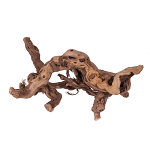 Rocks and pieces of driftwood are very common decorations. There are many fake plants you can add, like cactus, desert brush, and others.
It is best to use fake plants over adding live plants. Since bearded dragons are omnivorous they do like vegetation and may munch on any live plants. Any safe live plant you add will more than likely be devoured and killed within a few weeks.
If you do choose to add live plants, here are a few that are known to be safe:
- Juniper
- Mint
- Cilantro
- Parsley
- Jade
- Ponytail Palms
Designing the bearded dragon habitat can be a lot of fun. Perform a search on Google to find some very interesting terrarium designs to find inspiration!
Next, we will discuss the very important subject of diet and nutrition for a bearded dragon.